Spring Basement Water: What to Do First
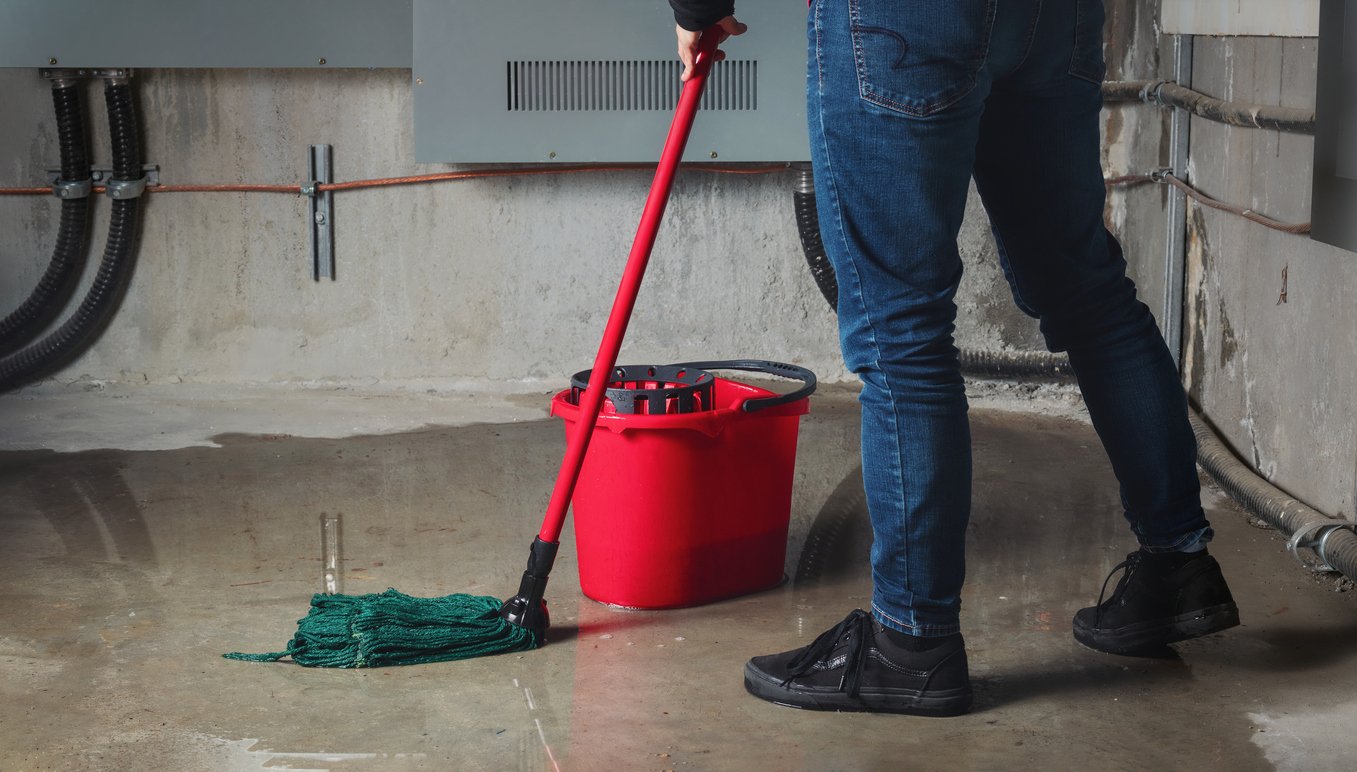
As the temperatures rise and spring rains arrive, many homeowners discover an unwelcome surprise: water in the basement. While it’s easy to panic and think “insurance claim,” that’s not always the first, or best step.
At HUB SmartCoverage, we encourage homeowners to pause, assess the situation, and take a practical approach. In many cases, the cause of basement water is something simple and fixable, and may not require an insurance claim at all.
Safety First
Before addressing any water in your basement, safety should always come first. Be cautious of potential electrical hazards, as standing water can come into contact with outlets, appliances, or wiring and create a serious risk of shock or fire. If it is safe to do so, shut off power to the affected area at the breaker panel, but never step into water to access it.
When in doubt, keep your distance and contact a qualified electrician or emergency professional before entering the space.
Start with a Quick Assessment
Before calling your insurer, try to determine:
- How much water is present?
- Did it come in suddenly or slowly?
- Can you identify where it’s entering?
If the situation is minor and manageable, addressing the source quickly can prevent further damage and may save you from an unnecessary claim.
Common Spring Causes (That Are Often Fixable)
Spring conditions in Canada can create several predictable issues:
Clogged or Overflowing Gutters: Leaves and debris from fall and winter can block gutters and downspouts, causing water to spill over and pool around your foundation.
Downspouts Too Close to the Home: If downspouts discharge water right beside your house, the water can pool and seep into your basement.
Poor Grading Around the Foundation: If the ground slopes toward your home instead of away, water naturally flows toward your foundation.
Cracks in Foundation Walls or Floors: Small cracks can allow moisture or minor seepage during heavy rain or thaw cycles. These are often repairable if caught early.
Window Wells Filling with Water: Basement windows without proper drainage or covers can collect water and cause leaks into the basement.
Sump Pump Issues: Spring is when sump pumps work hardest. If yours isn’t functioning properly or lacks a backup, water can build up quickly.
When an Insurance Claim Might Not Be the Right Move
Not all water issues are covered by standard home insurance policies. For example:
- Gradual seepage or maintenance-related issues are typically not covered
- Damage that could have been prevented with routine upkeep may be excluded
It’s important to weigh the cost of your deductible against the future cost of increased insurance premiums, as filing a claim for minor damage may impact your claims history and future premiums..
That’s why it’s often best to:
- Stop the source of water if possible
- Clean up and dry the affected area quickly
- Document the situation with photos
- Reach out to your broker for guidance before filing a claim
When to Contact Your Insurance Provider
If the water damage is sudden, severe, or caused by something like a burst pipe or sewer backup (with the proper coverage in place), it’s important to contact your insurance provider right away.
Prevention Goes a Long Way
A little spring maintenance can prevent a lot of headaches:
- Clean gutters and extend downspouts away from your home
- Check grading and add soil if needed
- Inspect your foundation for cracks
- Test your sump pump and consider a battery backup
- Clear window wells and ensure proper drainage
Water in the basement is stressful, but not always catastrophic. With a calm approach and the right guidance, many spring water issues can be resolved quickly and cost-effectively.