Understanding Ontario’s Expanded Carbon Monoxide Alarm Rules
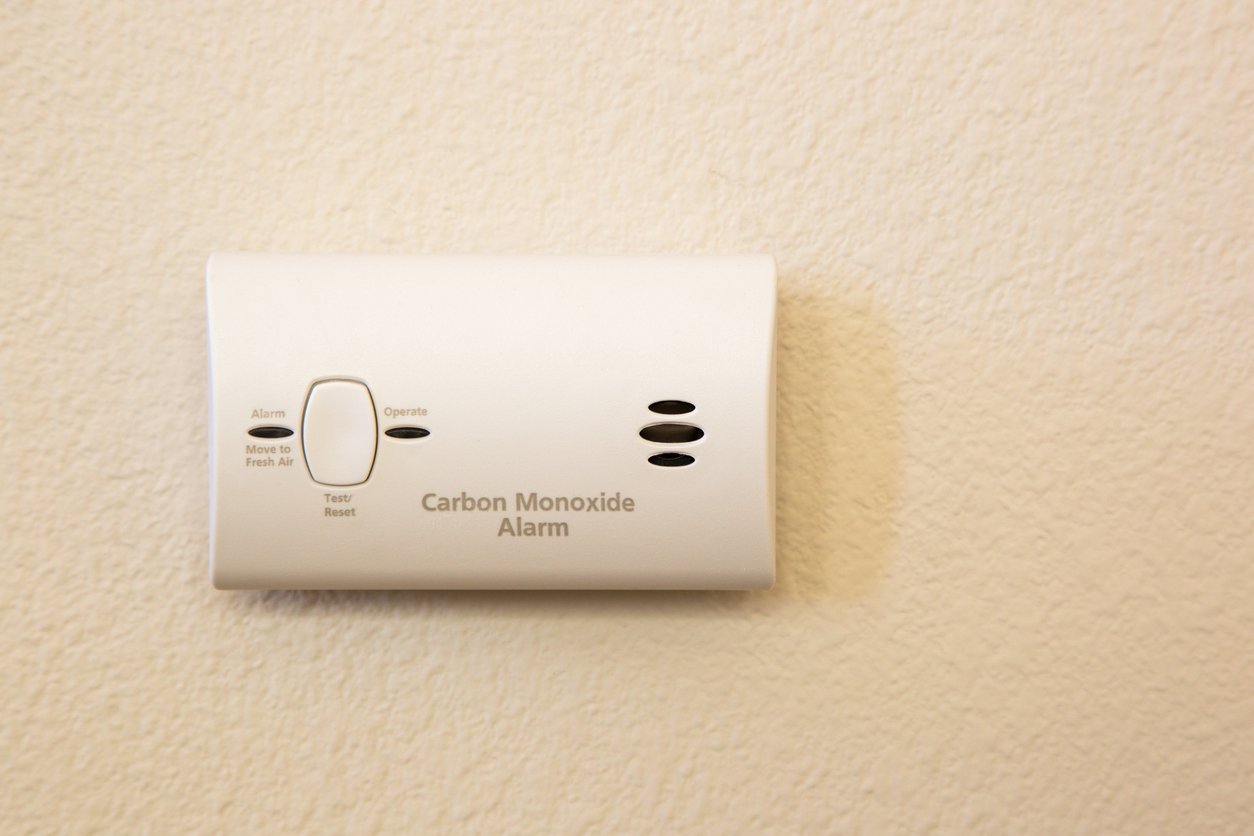
Since January 1, 2026, Ontario’s Fire Code has strengthened the carbon monoxide (CO) alarm requirements in homes and residential buildings. These changes are designed to improve early detection of carbon monoxide, an invisible, odourless gas that can pose serious, even fatal, risks without warning.
Carbon monoxide is created when fuels like natural gas, propane, oil, wood, or gasoline don’t burn completely. Common sources include furnaces, water heaters, fireplaces, stoves, space heaters, and even vehicles running in attached garages. Because you can’t see or smell it, a properly installed CO alarm is the only reliable way to detect dangerous levels.
If your home has any fuel-burning appliance (such as a hot water tank heated by natural gas), a fireplace, an attached garage, or is heated by an external fuel source, you are required by law to have CO alarms.
The New Rule and Where CO Alarms Must Be Installed
If your home meets any of the conditions above, you must install a CO alarm in these two locations:
- Adjacent to each sleeping area (near all bedrooms).
- Effective Jan 1, 2026: On every storey (floor) of your home, including storeys that do not have a sleeping area.
This applies to houses, townhomes, and condos alike.
What Landlords and Tenants Need to Know
Landlords are responsible for:
- Installing CO alarms where required
- Keeping them in working condition
- Testing them annually and between tenancies
- Providing tenants with proper usage and maintenance instructions
Tenants are responsible for:
- Testing alarms regularly (monthly is recommended)
- Report any issues immediately
- Never tamper with or disable the alarm
Why This Matters
Carbon monoxide poisoning remains a leading cause of accidental poisoning in Ontario. The updated rules bring broader protection by ensuring every level of a home is monitored, helping detect rising CO levels sooner and giving occupants more time to respond.
Simple Safety Reminders
- Test CO alarms monthly
- Replace batteries as recommended
- Replace units every 7–10 years (or per manufacturer guidelines)
- Have fuel-burning appliances professionally inspected annually
- If an alarm sounds, get outside immediately and call 9-1-1
These updates are a practical reminder that small, proactive steps can make a life-saving difference. Ensuring your home is properly equipped with working CO alarms is one of the simplest ways to protect your household from an otherwise undetectable danger.